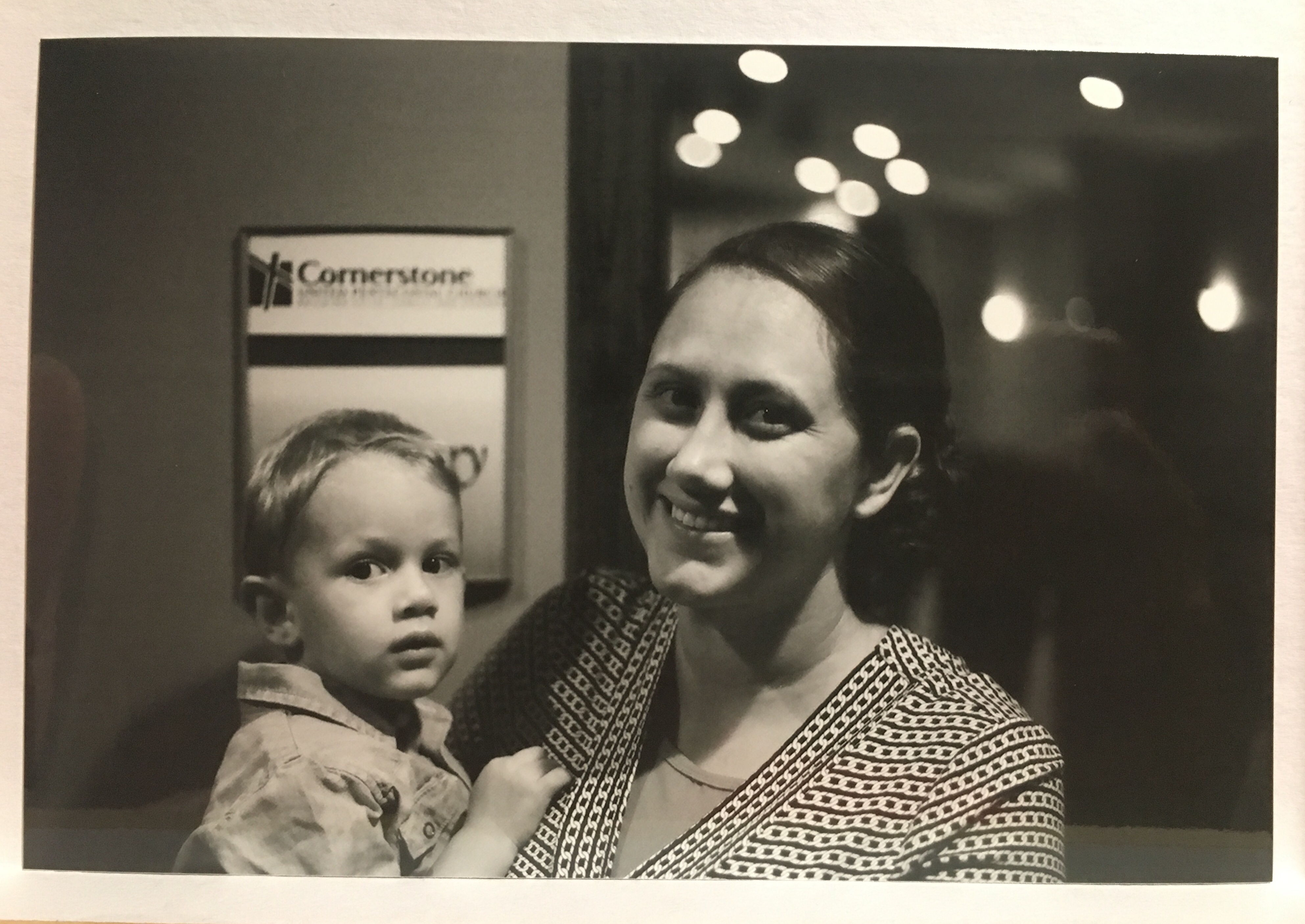
Unpredictable Days

I enjoy a daily routine to an extent. I don’t necessarily want to do the exact same thing every single day for the rest of my life, but I enjoy a reliable structure otherwise I’d never get anything done. That is not to say that I always know what is going to happen through the day, I think most of us don’t. It is those nuances that make life interesting. These little encounters can crash into your routine, sometimes changing the course of things, sometimes in a big way. Sometimes they cause us to refocus and get back on track. Take the past Monday for instance.

The first encounter happened by phone before I even made it to work.

“Yes, Mr. Zane. We do a birthday party on the first Thursday of the month for all of the residents and the man who has been leading the band is retiring. Would you be interested in leading?”

This is the kind of thing that I do in my marketing role. It seems a bunch of assorted staff from the hospital get together and play music at the adjacent nursing and rehab facility. I have never met any of these people. I don’t even know how many musicians there are, but I am assuming there are no singers or they wouldn’t have asked the activities lady to give me a call.

When she asked me, I couldn’t help but laugh. I imagined a group guys in scrubs, moping like a teenage musicians because their lead singer up and quit on them. A band in existential crisis. I’ll keep y’all posted on how it goes.

The second encounter happed as I walked past the council on aging. A BMW with out of state license plates passed me as I was walking on the sidewalk , then it backed up and rolled down the window. The man in the passenger seat leaned out and asked if I would be interested in painting a mural on the side of his restaurant. It smelled like they had a pet baby skunk riding in there with them.

“I noticed you were photographing that mural, you do that kind of work?”

I told him I was capable of doing that kind of work, and I have never actually painted a mural…but I always wanted to. He said he would do it himself, but he was color blind. I got caught up in the moment and we exchanged numbers. It would be a fun job. Something that you could drive your kids past and say, “See that giant alligator eating a bucket of fried chicken painted on the side of that restaurant? I painted that.”

I think I could design a nice mural. I would paint a big guitar on fire with a snake crawling out of the sound hole. And some firefighters spraying it down with Coca Cola. Or maybe some ducks wearing WWII fighter helmets and goggles, flying in formation as batteries of duck hunters sent up volleys of anti-aircraft flak. I think that would go over well in Louisiana.

I don’t really have time to do all the things I am trying to do right now, but the draw to do something creative has always had a heavy influence on me.

I’d been thinking about that all day when I had my third encounter. I held the door open for a Thai lady in a mobility scooter at the Dollar Tree. She thanked me and then immediately began to tell me about a 72 year old lady who was working on a zero-turn lawnmower when it fell on top of her.

“She laid their for three days and three nights. A thousand pounds. She died.”

I did not know why she felt compelled to tell me this story. It is a tragic story. I was reminded of my friend Cecil who died in a zero-turn mower accident. Life is so unpredictable and sometimes we get unpleasant surprises. I couldn’t have predicted any of these three encounters if you had paid me $50,000, but really I enjoyed my day.

Photos of The Week: September 27th, 2025

These are the photographs I took this week.

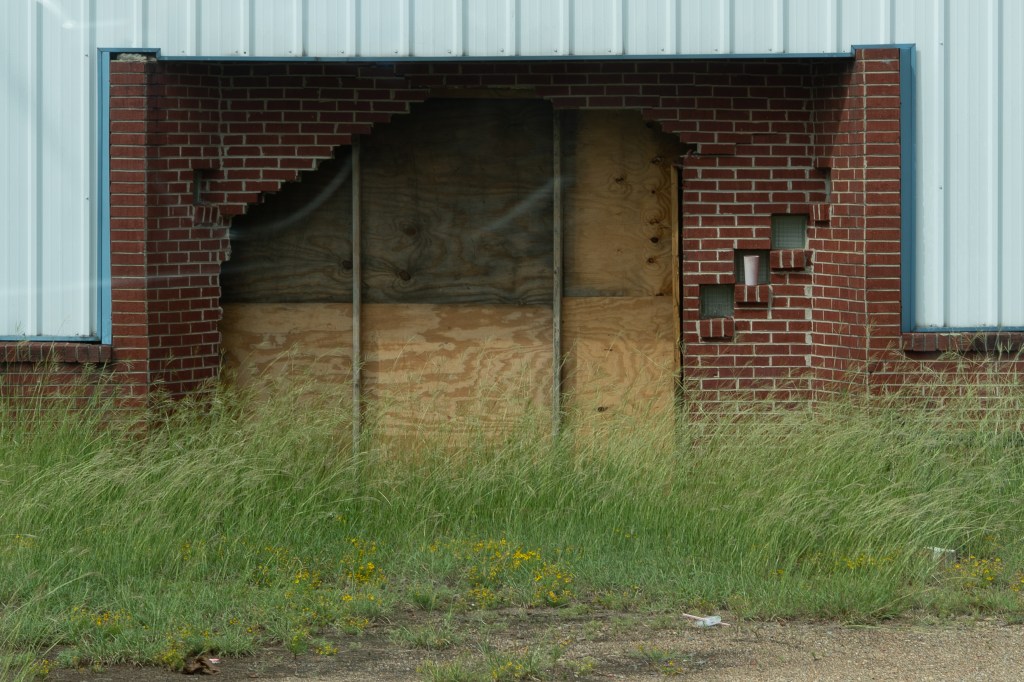
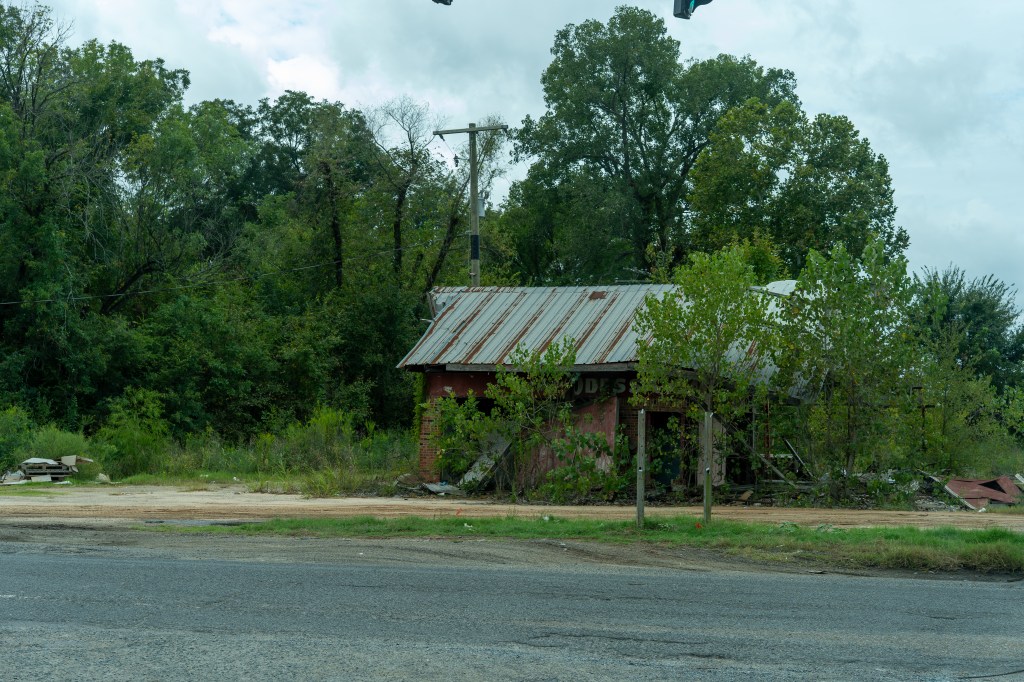
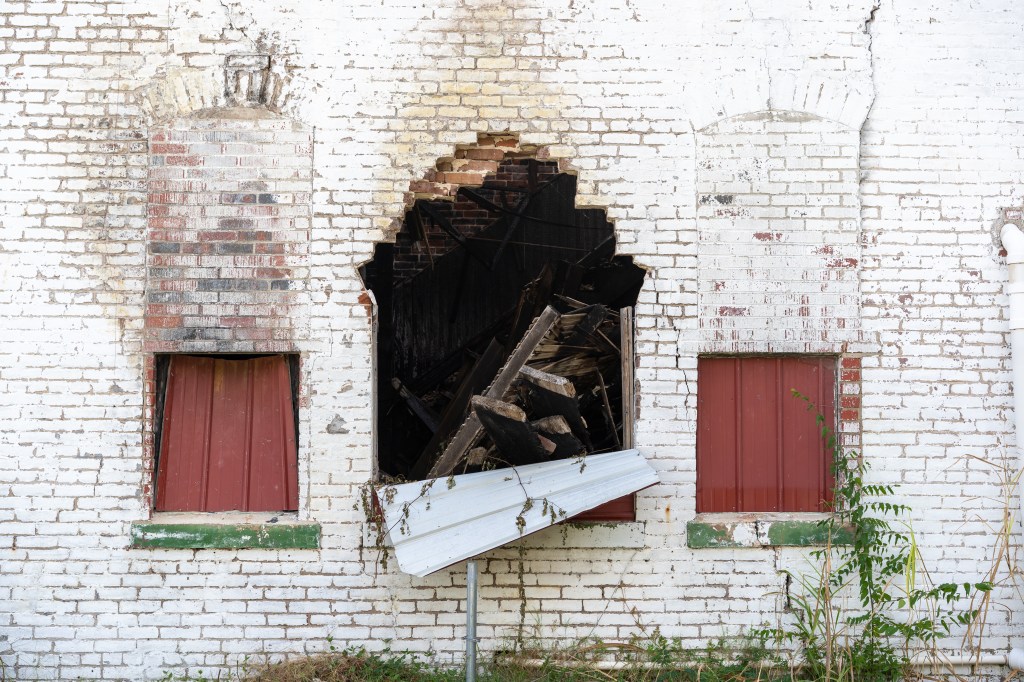
I get to travel a lot for my job. So I take my camera along for drive-by photography. It seems to me that the economy in Louisiana moves East and West along I-20 and I-10. And I live in Central Louisiana. One of the recurring themes in these photographs is decaying buildings. I don’t go out of the way to find them, I have to go out of my why to find new construction. One of the things I like to imagine is what these buildings were like in their prime, with people bustling in an out of them. What kind of clothes did they wear? How did they talk? What did they eat for lunch?

I imagine this was once a thriving little grocery store. The painting makes the pain worse for me: It is fake.
I thought this man was interesting. He was shuffling material from one medical building to another across the street.
The crack in my windshield somehow makes this picture better. The kind of obscure photograph that you imagine a special agent gets on those old detective radio shows.
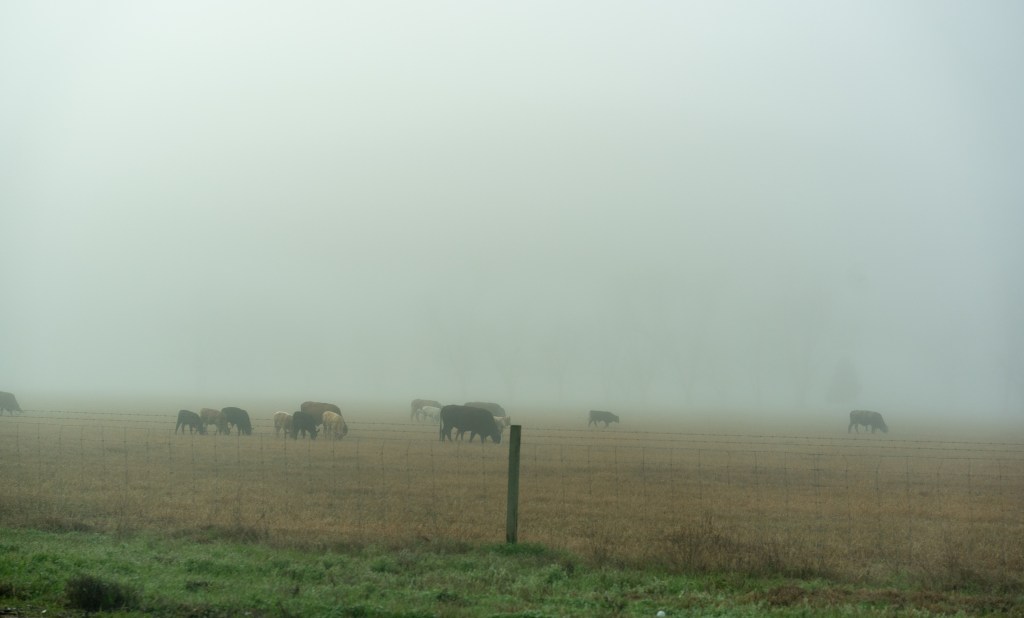
Cows have a special place in my heart.
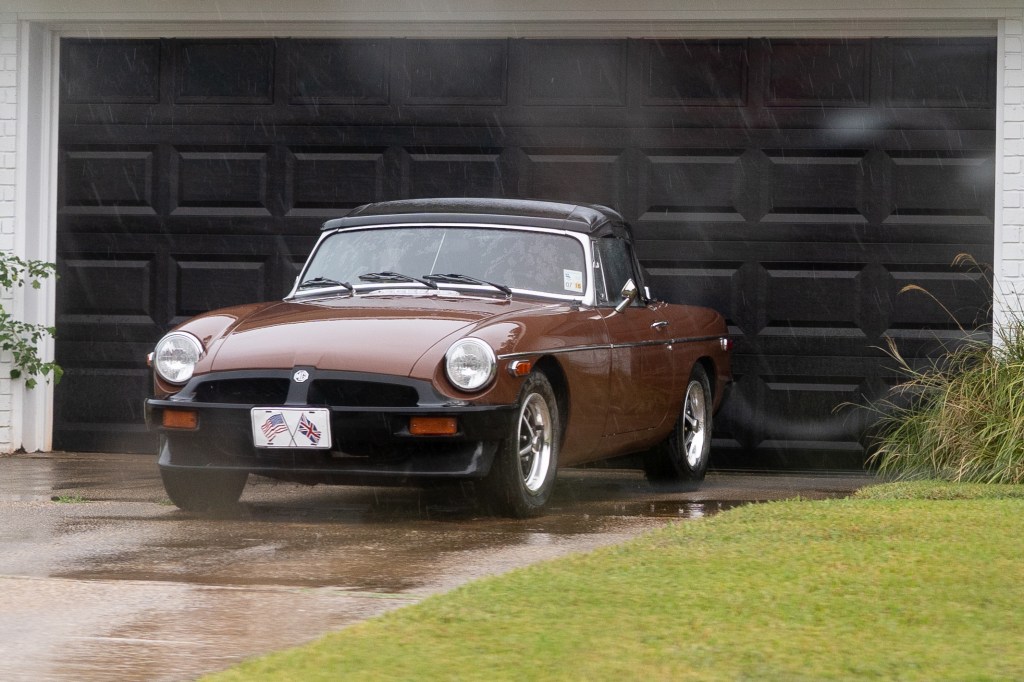
“These cars always reminded me of fighter planes.” That’s what the man driving one told me once at a gas station 20 years ago. His was green though.
I wonder what kind of art is produced here. I like that old chair.
Something about the colors on this building speaks to me.
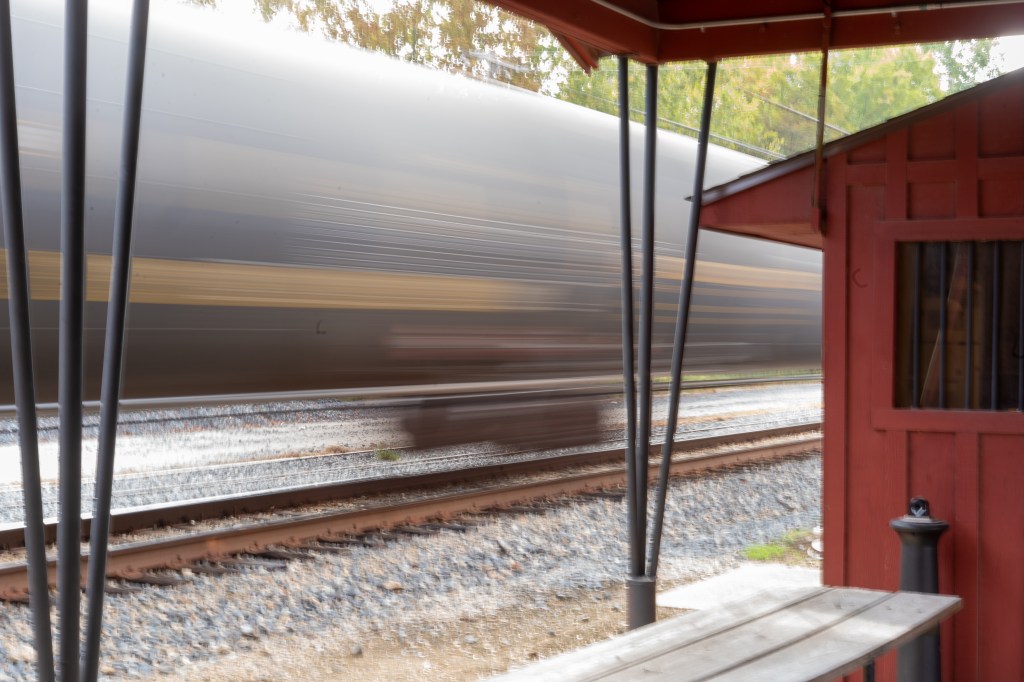
It was exhilarating being this close to a train.
This is probably my favorite picture from this week. I love this time of the morning. I imagine this is a scene from a book that you can’t put down.
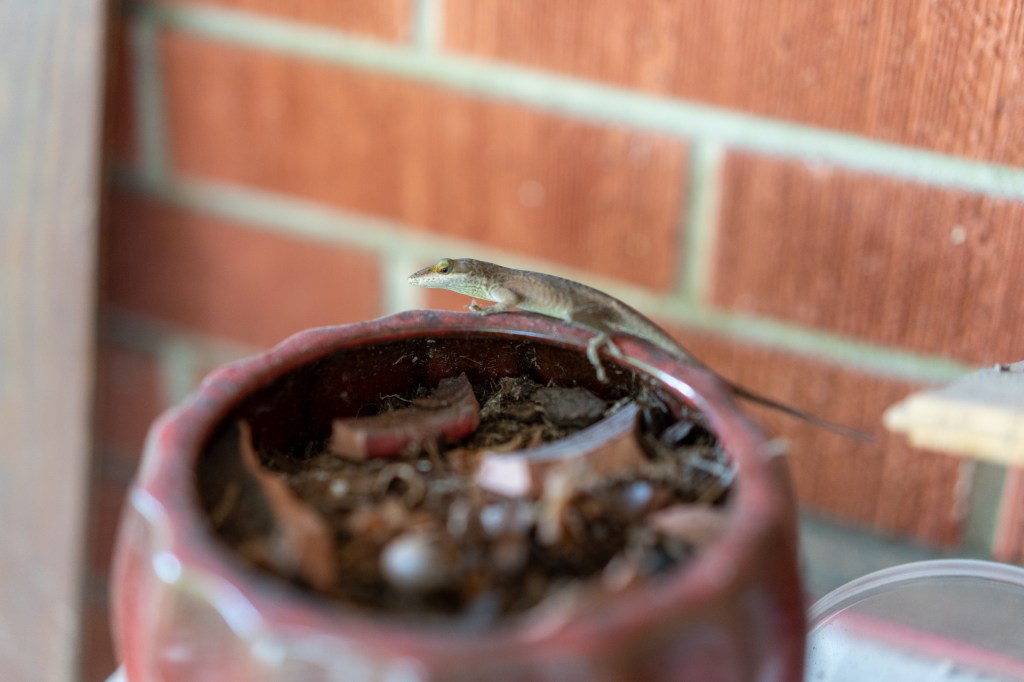
I love these little lizards. Anything that eats bugs can hang around my house.
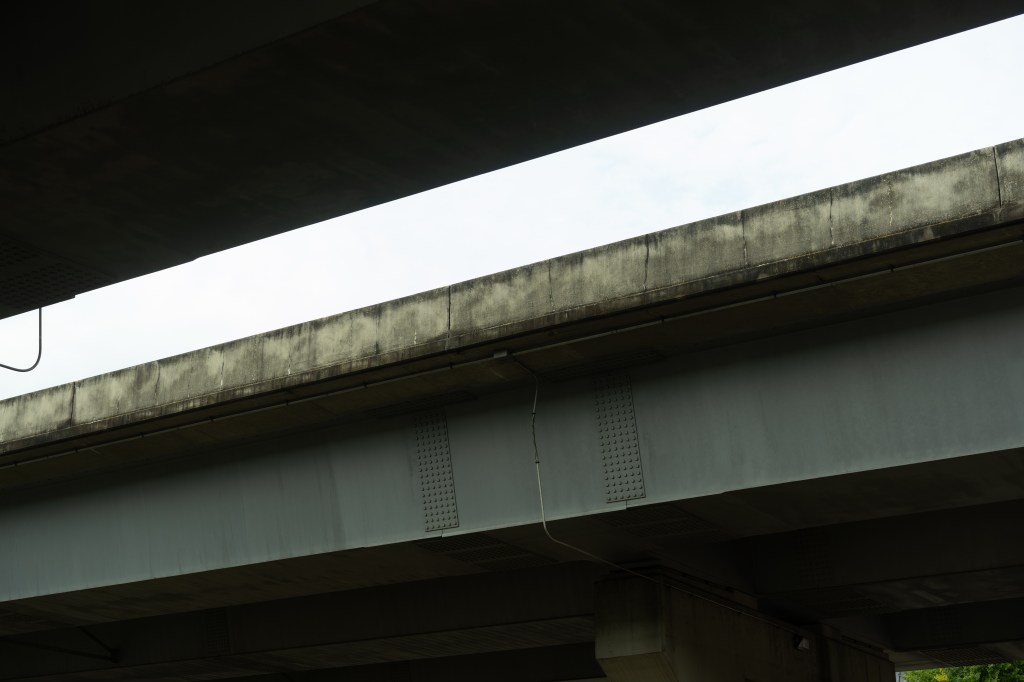
Name the title of the book that this could be the dust jacket for. That’s the kind of thing I think about when I am composing a shot.
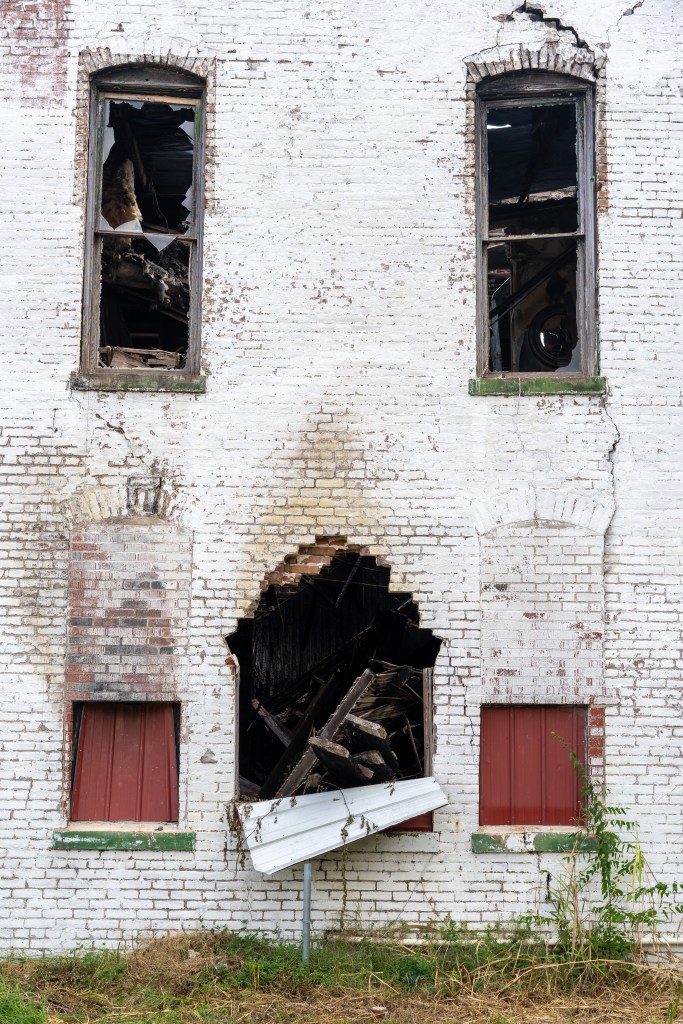
Another good cover for a book about a haunted house.

Are You A Photographer? And Other Existential Questions

I don’t really want to be defined simply by what I like to do.

Strange things have been happening to me in Louisiana. I’ll introduce myself to people and then they’ll start speaking to me in French.

“Zane Wells.”

Jean-Claude Villeramerette.”

People that speak French talk in italics.

Aside from that, I also get point blank existential questions like when the lady at the tamale stand in Zwolle glanced at my camera and asked if I was a photographer.

I said, “Well kind of, but I’m more of a writer.”

When she found out I was a writer the whole kitchen wanted me to take their picture with their blue ribbon. I obliged. I think it was a good enough picture. But I’m not sure I am a photographer. After all, I forgot to take off the lens cap twice while I was talking to these people. That’s not the kind of thing that photographer does.

I don’t really want to be defined simply by what I like to do.

I do like like taking photographs, but I’m not sure that makes me a photographer. And I haven’t made any money taking pictures, but does making money really have a bearing on your identity? I’ve done a lot of things for money that I did not enjoy. Maybe most of the things I have done for money I did not enjoy. Then there are some things I do whether I get paid or not.

A few years ago Sarah asked Miriam what she wanted to be when she grew up. She said, “A lady with pets.”

On occasion I forget my camera as I rush out the door and it bothers me nearly all day. Those are the days that I see the most interesting compositions. Like the man demolishing a water tower with an acetylene torch in Hodge, LA. It was one of those water towers with only one central column holding the whole thing up. The kind with clean flowing lines and no sharp edges, like one of those old enameled door knobs in an ancient house. The tank was halfway gone and a shower of sparks was raining down from the lift from which the man with the torch blazed away at the thick rusty metal. I would’ve liked to have had that picture. Another time recently I saw a freshly cut hayfield and about a thousand of those pure white cattle egrets swarming around the tractor which was still laying the hay down in a neat hearing-bone pattern. Oh it was glorious! I wish you could’ve seen it. The most recent composition that I missed was also in a pasture: A longhorn bull, a donkey, and a cattle egret in congress around an ancient live oak. I imagine that these were elected officials who had met together to discuss grazing rights and what to do about the interloping deer. But I missed it and I’m not sure a thousand words could let you see it.

What I really like is story telling. And photography allows you to tell a story without any words. I only really feel like a photographer when I don’t have my camera, but I feel like a writer all of the time.

Fog

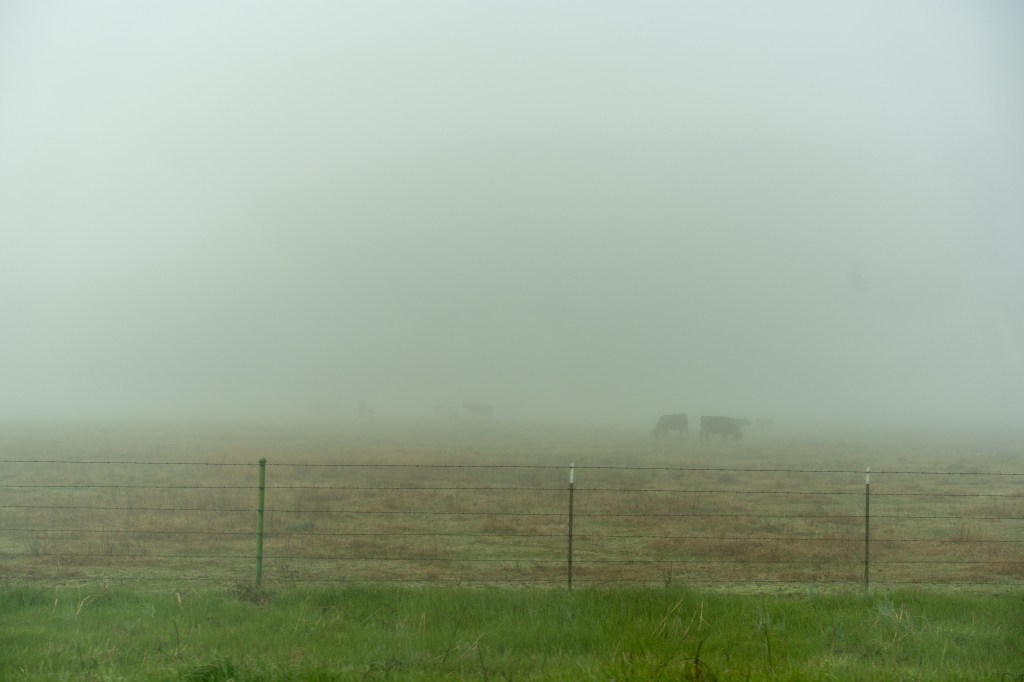
I had to drive in the fog this week. I’m not talking about the kind of patchy fog you drive through while you’re crossing a bridge and then you are back in the sunshine. No. I drove for two and half hours through the kind of fog in which Edgar Allan Poe set all of his stories.

I had to drive in the fog this week. I’m not talking about the kind of patchy fog you drive through while you’re crossing a bridge and then you are back in the sunshine. No. I drove for two and a half hours through the kind of fog in which Edgar Allan Poe set all of his stories. At least that’s the thick fog that I imagine when I read him. So naturally, I decided to do some drive-by photography. I love a good foggy morning; it makes me feel like Sherlock Holmes. A damp haze like this gives me a craving for a good mystery. For whatever reason, fog pulls on my creative nature. I was feeling pretty inspired and artistic in this dreamy landscape until I passed a big chicken truck that had turned over in the ditch just outside of Natchitoches. That wreck halted my daydreaming and caused me to slow down and give my undivided attention to the road, at least for a little while. Then I began to wonder if any of those chickens made their escape into the mist. I hope they did. I love a good escape story as much as I love a foggy morning. Maybe they took up with the herons in the swamp.

As much as the fog tugs on my imagination, I’m glad that it isn’t foggy all of the time. It can be stressful when you cannot see very far ahead of you. I imagine that’s what happened to that poor truck driver. He probably had to take evasive action to avoid killing someone he only saw at the last split second. Who knows?

The wrecked truck reminded me of something I learned about as a teenager following the progress of Operation Iraqi Freedom in the newspaper; The Fog of War. Originally a German term, it describes how the chaos of battle brings confusion and situational uncertainty to soldiers—and even top brass—who often become disoriented and are unsure of what to do next. I have never been in combat, but I have been in a lot of fog, and I can appreciate the analogy. My cousin Mark got disoriented in the fog on the Coosa River once during a fishing tournament. He navigated his bass boat by GPS right up out of the river and into the woods. I think the problem with disorientation is you don’t know you are disoriented until it is too late.

The vicissitudes of life can put us in a fog. The beauty of that fog and the creativity that it inspires is hardly ever seen in the moment except by the rare longsighted optimists, or the visionaries who are gifts to humanity. The rest of us only see the beauty in hindsight-that is if we make it through. There have been a few-and thank God only a few-truly foggy patches in my life. Times when you can only see as far as the next step and you aren’t fully sure of that; when you have all but lost direction; and when the mist has nearly halted any progress you thought you were making. It may take a while, but eventually we can look back and see the beauty of those times. And, with a twinkle in our eye and compassion in our voice, even recall them with joy and hope, and tell about them to someone going through their own fog.

We are often tossed and driven on the restless seas of time

Somber skies and howling tempests oft succeed the bright sunshine

But in that land of perfect day, when the mist has rolled away

We will understand it better by and by

This fog the other day covered a large swath of Louisiana. A friend who was working on the other side of the State that morning was telling me how foggy it was for him too. I’m glad I wasn’t in it alone. Eventually the fog “burnt off” as he put it, and it turned out to be a bright sunny day. But I’m glad I got these pictures. I didn’t want you to think I was exaggerating.
Words Fitly Spoken

This year I read Reflections on the Revolution in France by Edmund Burke. I was initially intrigued by this work because I was on a French Revolution kick brought on by reading through A Tale of Two Cities yet again. What I found was I became far more interested in the writing style of the author than the subject material. This mastery of the English language is also what makes me, and countless others, Dickensian disciples. Mr. Burke writes a series of letters to a “French Friend.” Thankfully his friend could read English. As the title implies, these letters are his well thought out reflections on the French Revolution, an event that he watched unfold. The reflections were published and widely read during Mr. Burke’s lifetime. If you study political science today, you will become familiar with Edmond Burke as a political theorist. But I think he ought to be studied for his formal writing style.

How often have you had a conversation with someone and after it is over you find yourself wanting to edit what you said? It happens to me quite often. It is much easier for me to craft a clear response if I can write it. I am far more likely to choose appropriate words when given the luxury of reflection. With discipline and that most valuable resource time, I believe that anyone can put their deepest thoughts and feeling into written words. And people used to make this a habit in the form of diaries, journals, and letters to actual people.

Why do emails feel so stuffy and written letters seem so personal?

Although I keep a journal, and if you use your imagination I suppose you can call this blog-what an ugly word- and form of journalism, I cannot remember the last time I wrote someone a letter. For that I am a bit ashamed. At the same time I cannot remember the last time I received a letter. Most of our communication with friends today is done via text messages, FaceTime, and decreasingly for my generation, phone calls. All of these forms of communication lack the forethought and planning that a personal letter requires.

Even so, I believe that words fitly written are mere practice for words fitly spoken. As I said before, anyone can write if given time and inspiration, but it takes a truly gifted communicator to bring forth a fitly spoken word in real time. Words are powerful. Maybe this is why public speaking is a common fear.

A word fitly spoken is like apples of gold in pictures of silver. Proverbs 25:11

I am a long way away from where I want to be as an in person communicator. For that matter, I am a long way from where I want to be as a writer. But I am practicing. Thank you for allowing me to practice with you today.

Assignments

At the time, I did not fully appreciate how much group projects were preparing me for the real world.

There are three school assignments from my childhood that still haunt me. They don’t haunt me in a sense that I lose sleep over them, I just remember them vividly. Did I do my very best? Yes, there is no doubt about that. The real question is did I do right?

Art was one of my favorite classes in elementary school. Holding our thumbs behind our backs, we would walk single file through the maze of halls to Mrs. Newton’s art room in the back of the school. The sun would shine in through the high windows, casting a ray of light made visible by the dusty air. I loved Art.

One day, my class made the trek to the Art room only to find a substitute teacher. In some situations this may have been welcome, but it was a disappointment for Art. The teacher had big blonde hair and wore lots of make up. I’m sure she was stylish at the time, and possibly even now if you are going for the 80’s Country Singer Sweetheart look. As pretty as she may have been, in my seven year old mind it seemed that she wasn’t very aware of what was going on; like she was a sentence, or maybe a paragraph behind the rest of the adults we were accustomed to at school.

“Mrs. Newton left you an assignment.” She said as we all settled into our chairs.

“She wants you to make a picture using letters.”

I completely understood the assignment. Mrs. Newton had shown us examples in a previous class. She held up a picture of an acoustic guitar that a high school student had drawn. At a distance, it looked like an ordinary picture, but upon closer examination you realized the picture was composed of letters, even words, in varying sizes. I thought it was the dumbest thing we had seen so far in art class.

So I sat there for a moment contemplating this outrageous assignment. I could waste my time and labor on a piece that I detested, or I could put my talents to better use and create something from the heart, something worthy of my signature. I drew a battleship. It was a splendid World War II era battleship with more gun turrets than the Yamato. I was proud of it. Even so, I failed the assignment.

In Fifth grade, Mrs. McManus instructed us to draw a word in a way that enhanced the definition of the word. I was assigned the word “Fat”. Someone who had followed the instructions for the assignment would have drawn the letters F, A, and T with fat rolls. Once again, I fully understood the assignment, but I felt that this was a waste of my artistic ability: I drew a fat man in a tank top and Bermuda shorts. It was magnificent. Not only did I fail the assignment, I realized that my teacher thought I had not understood the assignment.

I took a class called Media Arts in High School, because I had already taken all of the other art classes. Mr. Williamson assigned us a stop motion film group project-which sounds like a good indie rock band name. For the most part, I’ve always loathed group projects. At the time, I did not fully appreciate how much group projects were preparing me for the real world. The idea of a stop motion film was very inspiring, but we utterly failed at creating an interesting plot. There were three characters: A comedian, an old man, and a chef with an unidentifiable foreign accent. In the film the old man is sitting in the audience listening to the comedian try to tell jokes. The old man mumbles a response at each joke before finally ordering a pizza from the chef.

To our credit, the artwork was good. I think we still made an exceptional grade, but we wouldn’t have won- nay, even been nominated for- an Academy Award in the short film category. For some reason, this assignment still bothers me the most. From time to time, I come up with better plot ideas and I think back to that project.

In a sense, life is about following instructions and working with people. There are some areas in my life that I wouldn’t dream of not following instructions; principally, my faith. On the other hand, I have often scoffed at any attempt to set boundaries on creativity. Furthermore, I have a hard time completing an assignment that fails to inspire me, but if I find the work inspiring I’m hardly ever satisfied with my efforts.

Film Photography

Do you remember taking photographs on film?

I love yard sales. Previously loved merchandise. Everything you never knew you couldn’t live without can be found at a yard sale. Part of the fun of a yard sale is digging through the junk to find the treasure. Sometimes it’s only digging through junk. Even when you do find treasure, it sometimes only seems like treasure because the junk makes it look better. This is how I got back into film photography.

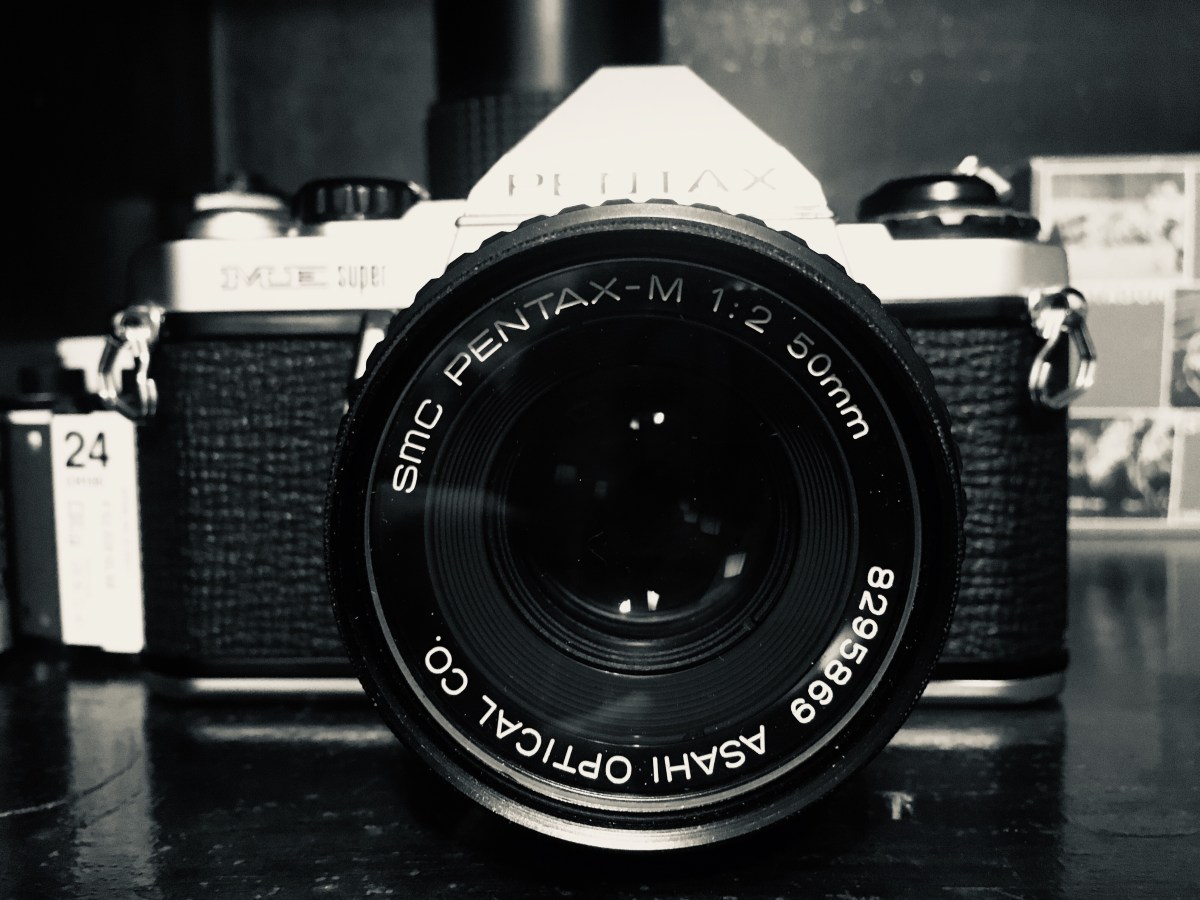
I have a recurring dream that I find a cache of treasure (usually guitars) for sale dirt cheap at some yard sale or thrift store. From time to time it comes true. Like the time I found a bunch of pocket knives at an estate sale. Today I’m thinking about the time I stumbled upon the motherlode of film camera equipment at the church yard sale. The yard sale itself had a half acre of merchandise spilling off of tables and onto tarps. There was an entire table full of lenses, filters, flashes, and bulbs. On the edge of the table was whicker basket full of film cameras. My mind went back to photography class when I spotted a pristine Canon A-1 Camera with a 50mm lens. I picked it up and instinctively focused the lens on one of the yard sale characters walking around. I advanced the film lever and clicked the shutter release button. There was the unmistakable whir of a shutter quickly opening and closing. A sound that even kids born in the 21st century will recognize from their iPhone camera.

I was hooked. Camera in hand, I walked over to Sis. Tina Updike, who was running the cash register that day. “How much for the camera Sis. Tina?” I asked. She frowned at me like she’d never seen a camera before she asked, “Is $10 too much?” I quickly paid for the camera before I had a chance to talk myself out of taking up a new hobby. I also went and scooped a couple of lenses, another SLR camera, and an enlarger so I could develop my own film.

As I fiddled with the camera and did a little bit of research to refresh my new found venture in to film photography, I began to think abstractly how film photography is more like life than the convenient digital photography that has cemented it’s place in our culture over the past twenty or so years. There was a time when cameras were investments, now they are just features on our phones. Camera phones have made us all photographers.

Think about when you were a kid. Unless you don’t remember having to take pictures with a camera, take your undeveloped film to Wal-Mart, shop around for an hour until you could finally pick up an envelope of actual pictures. Not only did you have to purchase film, but you had to pay for the pictures before you could decide that you were a terrible photographer. You kept the pictures anyway, and couldn’t wait to show them to your friends. The next time you had company, you’d pass around your pictures and you’d all laugh at the ones that didn’t come out like you wanted. The few pictures that came out great got an elevated frame or refrigerator status.

The first roll of film that I shot with my Canon A-1 was interesting. There were 24 frames. It made me stop and think before I snapped the shutter. I had to manually focus each picture. I had to wait a couple of weeks before I could see the fruit of my labor. Long enough to almost forget what I’d shot. Opening that first envelope of pictures was quite emotional. I sat down and looked through them with my wife. Like any roll of film, there were some duds. An image with uninteresting subject material, a poorly focused shot, or improper exposure. Even so, there were few really good pictures that I framed.

A photograph is frozen moment in time. Henri Cartier-Bresson spoke of the decisive moment, or the perfect moment to freeze in time. You can’t retake the same picture, because time will move forward. You’ll stop and refocus, changing the composition. Life is much more like a roll of film with a set amount of frames than a digital phone camera where we can take endless pictures in order to capture an image of how we think we should look. It’s a sobering thought, time.

Mostly From Memory is me sharing with you my life’s roll of film. Sure, I get to edit the pictures a little bit to make the subject material shine, but I can’t go back and take more pictures. Neither can you. Each season in our life is a frame of time on a limited roll. I wish that we could simply “delete” some pictures in life because of uninteresting or embarrassing subject material. Or a poorly focused shot. Or improper exposure.

I have a strong desire to make each season in my life count.

I can’t remember if I was thinking along these lines as I loaded the second roll of film into my now beloved Canon A-1, but I did know that I hoped to make every shot count. I think I took a few pictures of my kids, who wouldn’t be still to for anything in the world. The next day I took my camera to work so I could take pictures of downtown Winchester on my lunch break. There was one shot that I planned on taking. Every day I looked out from the fourth floor of the parking garage across the alley to the fire escape of the George Washington Hotel. The metal staircase against the backdrop of brick formed a perfect Z.

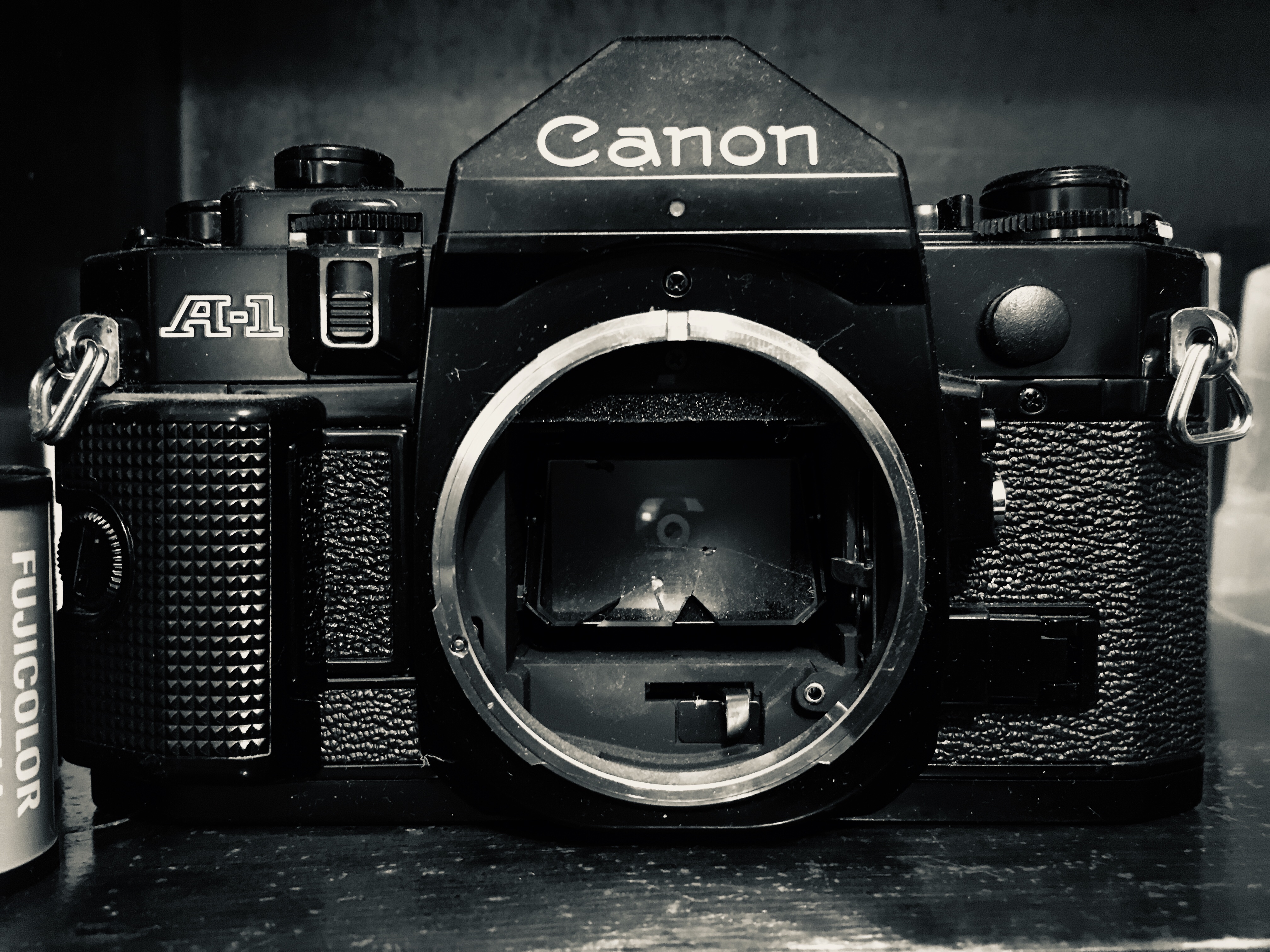
Z for Zane. I focused my camera on the target, but to get the composition just right required me to stand on the concrete barrier a foot from off of ground and lean against the railing with my knees. I took my time focusing and double checked my exposure before I firmly pressed the shutter release. Satisfied that I had not wasted a frame of film, I stepped back from my perch into reality. I was a hair higher than I expected and when my foot didn’t reach solid ground I grabbed for the rail, which was only barely above my knee. I panicked. In my desperation to regain my balance, my prized camera slipped from my hand. I watched it tumble through the air from four stories up. It fell for a long time, almost in slow motion, getting smaller and smaller until it smashed into the concrete and burst into pieces that fled the impact. I stared at the wreckage for quite a while before I realized that I could never take another picture with that camera. Then I walked down the stairs and picked up the pieces.

My busted Canon A-1. A testament to fragility of life.